Valuer Insights
Business Insights | The Emerging Sports Real Estate in Hong Kong
From Vacancy to Vitality
October 13, 2026
Contact
Director, Valuation & Advisory Services, Hong Kong

Background & Market Paradigm Shift
Against the backdrop of prolonged macroeconomic adjustment, elevated capital costs, and ongoing capital value corrections across Hong Kong's commercial real estate market, particularly the office and traditional retail sectors, investors are increasingly turning to alternative real estate asset classes with more defensive operating fundamentals and attractive risk-adjusted returns. Among these, Sports Real Estate has emerged as a compelling investment theme. Historically, large floor-plate commercial premises (typically ranging from 5,000 sq. ft. to over 30,000 sq. ft.) were primarily occupied by department stores, flagship retail brands, banks, and large-scale Chinese restaurants. However, the large floor plate premises have faced increasing operational pressure in recent years due to structural shifts in consumer behaviors and market dynamics:E-Commerce Disruption
Reducing physical retail store footprints and showroom reliance, rendering expansive retail floor plates economically inefficient
‘Northbound’ Consumption
Characterizing by Local residents traveling across the border to Greater Bay Area on weekends for dining, entertainment and personal services
Traditional Anchors Contraction
Escalating labor and raw material costs have led to widespread downsizing and closure of large floor plate Chinese teahouses and banquet halls
Competitive Edge Erosion
Losing rental premium over smaller, nimble retail shops, suffering from extended void periods and severe rental discounting
1. Active Lifestyle Paradigm Shift & Rise of Sports Real Estate
Supported by structural growth in sports participation and experiential consumption, demand for sports and active lifestyle space is expected to remain resilient. In the meantime, the sports industry has exhibited strong post-pandemic momentum, with employment rebounding to a record 84,000 workers in 2024 and its share of total employment continuing to expand. Concurrently, industry value added increased to HK$70 billion in 2024, representing approximately 2.2% of Hong Kong GDP, reflecting the sector's growing economic relevance and supporting the long-term investment case for sports-related real estate.
84,000
Workers employed in the sports industry in 2024 — a record high
HK$70bn
Sports industry value added in 2024
2.2%
Share of Hong Kong GDP contributed by the sports industry in 2024
- Yoga & Pilates Centres
- Emerging Racket & Court
- Combat Sports & Martial Arts Centres
- Specialized Experiential Sports & Tech-Fitness Venues
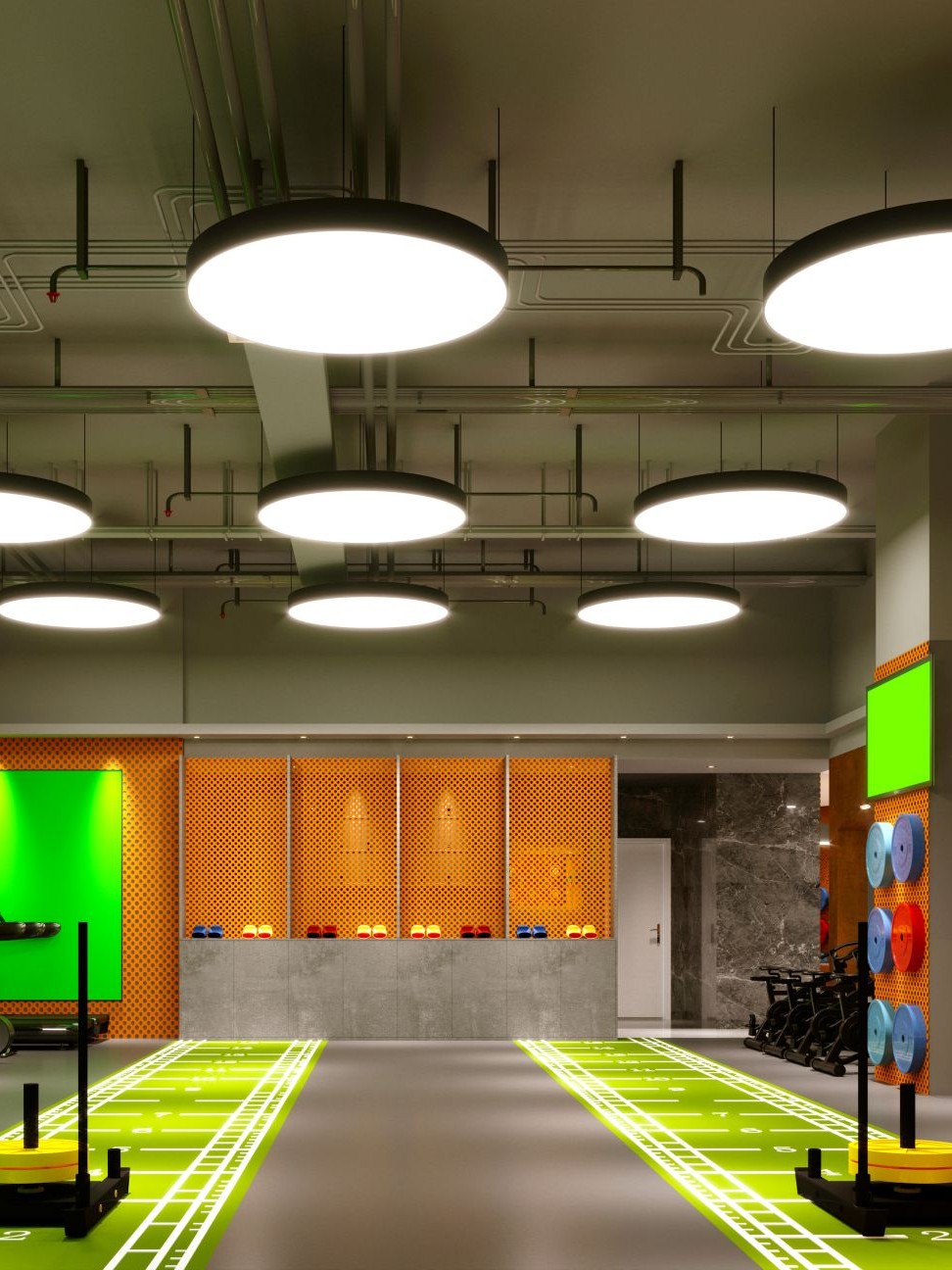
- Commercial Gyms & Hyrox Training Centres
Leasing Activities
With the shift in paradigm, landlords are actively seeking new tenants to fill in the gap for those surrendered units from traditional business such as chinese restaurant, cinema, furniture store, etc. Against this backdrop, sports-related occupiers have emerged as one of the key growth sectors in the leasing market. Businesses ranging from pickleball centres, fitness clubs, rehabilitation clinics and wellness studios to yoga operators and bouldering facilities have actively capitalised on the increased availability of space and more accommodative rental levels across major commercial districts. However, as many of these businesses are relatively new market entrants and operate under business models with different revenue dynamics from traditional retailers, they tend to be more cost-conscious and generally command lower rental budgets than established retail and F&B operators.The table below highlights representative leasing benchmarks for sports operators across shopping malls, retail podiums, and commercial buildings in Hong Kong. Transaction evidence indicates sustained demand from sports and fitness occupiers, particularly for medium- to large-format premises ranging from approximately 3,000 sq. ft. to 28,000 sq. ft., with achieved rents generally between HK$20-35 per sq. ft.
| Location | Asset Type | Size in SA (Approx.) (sq. ft.) | Sports Usage Category | Previous Tenant | Net Unit Rent (HK$/sq. ft.) |
|---|---|---|---|---|---|
| Kowloon | Shopping Centre | 15,000 | Commercial Gym | - | $17 |
| Commercial Building | 9,000 | Commercial Gym | - | $23 | |
| Island South | Retail Podium | 3,000 | Commercial Gym | Retail | $24 |
| Commercial Building | 5,500 | Indoor Court | - | $26 | |
| Island | Commercial Building | 2,700 | Boxing | - | $38 |
| Commercial Building | 5,800 | Indoor Golf Centre | - | $30 | |
| Commercial Building | 4,700 | Pickle Ball Venue | F&B | $32 | |
| Shopping Mall | 15,000 | Adventure Sport Venue | Cinema | $25 | |
| New Territories | Retail Podium | 28,000 | Commercial Gym | Commercial Gym | $25 |
| Shopping Mall | 3,500 | Commercial Gym | F&B | $26 |
Source: CBRE Valuation & Advisory Services, Transaction data from 2025 to 2026. Note: Rent excludes rates, government rent, and management charges.
Investment Considerations
1. Operators tapping on brick-and-mortar risks
As capital values for neighbourhood retail podiums have moderated in recent years, an increasing number of sports and fitness operators that traditionally adopted an asset-light expansion model are beginning to explore property acquisitions as part of their long-term growth strategy. With acquisition opportunities emerging at pricing levels that imply rental yields of approximately 5% or above, owner-occupation has become an increasingly compelling alternative to leasing, offering both operational and financial advantages.
| Asset Type | Location | Size in GFA (Approx.) (sq. ft.) | Considerations | Unit Rate (HK$/sq. ft.) | Prevailing Monthly Rent (HK$/mth) | Yield (%) | Buyer |
|---|---|---|---|---|---|---|---|
| Retail Podium, 1/F | One New York, No. 468 Castle Peak Road, Cheung Sha Wan | 6,080 | HK$30M | 4,934 | 132,000 (HK$26.7 psf) | 5.28% | 24-7 Fitness |
| Retail Podium, 1/F | 2-16, Chik Shun Street, Tai Wai | 6,500 | HK$50M | 7,385 | 240,000 (HK$36.9 psf) | 5.76% | 24-7 Fitness |
Source: CBRE Valuation & Advisory Services, Transaction data from 2025 to 2026.
Notable example is 24-7 Fitness, which operates through a combination of directly managed outlets and franchised locations. Ownership of operating premises can provide greater cost certainty by reducing exposure to rental volatility, while potentially enhancing profitability through tax-efficient treatment of depreciation and financing expenses. Over the long term, a portfolio of owner-occupied locations may also strengthen the platform's operating track record and support franchise expansion by providing greater confidence to prospective franchisees.Rather than representing a departure from the asset-light model, this trend reflects a more balanced approach whereby operators selectively incorporate real estate ownership into their growth strategy. By combining operational expertise with targeted property investments, operators may unlock value beyond the individual asset level. Maximum value creation potential lies at the platform level, where synergies between property ownership and business operations can be captured, potentially through structures such as PropCo-OpCo arrangements or platform-level transactions.
2. Sport theme as a strategy to retain tenants for office landlord
Alongside retail premises, office landlords also putting increasing efforts into their portfolio by incorporating sport and fitness element to enhance tenants' attractiveness. Swire Properties has been advocating strategies by incorporating sport element into their office cluster, whereas we have seen Padel Court being built outside of One Island East, several gym tenant situated within the Taikoo Place cluster and a self-operated sport bar at Palate located on 2nd floor of Two Taikoo Place, which host watch party for their office tenants.Compliances & Leasing Considerations
For investors and operators seeking to establish a presence in the sports and wellness sector, whether through fitness centres, sports entertainment venues, pickleball courts or other recreational facilities, it is important to assess a range of regulatory, licensing and property-related compliance requirements before committing to a tenancy agreement.1. Statutory and Non-statutory Control
- Government Lease Restrictions: Land Grants and Government Leases strictly define permitted user categories (e.g. “Commercial”, “Industrial” and “Godown”). Operating a sports venue within premises restricted strictly to “Industrial/Godown” or specific retail uses without lease modification or a Short-Term Waiver constitutes a breach of lease covenant. Tenants shall also be aware of the responsibility of such waiver fee, whether it is inclusive in the monthly rent.
- Town Planning Ordinance Control: Sports-related operation often falls into use of “Shops and Services”. If usage falls under Column 2, formal Section 16 Planning Permission from the Town Planning Board is statutory mandatory before physical operations begin.
- Deed of Mutual Covenant (“DMC”) Constraints: Sports usages involving heavy structural floor loads, acoustic vibration, or 24-hour visitor movement must strictly comply with DMC noise and structural loading covenants to prevent injunctions by the Incorporated Owners.
2. Structural Building Considerations
Despite robust occupier demand, building specification requirements shall be carefully considered by the prospective investors and tenants:
Column Spacing & Clear Span Layouts |
MEP, Electrical Power & HVAC Infrastructure |
Clear Floor-to-Ceiling HeightOrdinary commercial floor plates have headroom of 3.0m to 3.5m |
Floor Loading CapacityGym/ high impact areas requiring loading of 5.0 to 10.0 kN/sq. m. |
3. Key Protective Tenancy Clauses
To safeguard their capital expenditure and mitigate statutory operational risks, tenants should also pay attention to key commercial terms in the tenancy agreement in order to avoid miscalculating the cost and liabilities of leasing a space:- Handover condition and reinstatement terms: Clearly understand the required handover condition upon lease expiry and maintain photographic records of the premises' condition at commencement to avoid disputes.
- Sales and Redevelopment Clause: Assess whether the landlord has the right to terminate the lease for sale or redevelopment purposes, as this may jeopardise substantial fit-out and capital expenditure.
- Technical fittings for tenant: Ensure the landlord provides adequate utilities and building services, including power supply, water, and drainage, throughout the lease term.
- Right of Access: For premises located within office buildings, shopping malls, or retail podiums, ensure the lease expressly grants access rights to common entrances, corridors, staircases, and other shared areas necessary for business operations.
Conclusion
Sports-themed real estate is emerging as a sustainable and strategic trend in Hong Kong, supported by growing demand for wellness, community engagement and experience-driven destinations. Increasingly integrated into residential, commercial and recreational developments, sports-related uses have become a valuable tool for enhancing asset positioning and tenant mix.Importantly, the value of sports and wellness occupiers extends beyond rental income. They contribute to brand building, customer engagement, footfall generation and community activation, while creating opportunities for partnerships with social events, wellness programmes and sporting competitions.
Looking ahead, sports real estate is expected to evolve beyond a traditional tenant category into more integrated operating models, including wellness clubs, multi-purpose sports hubs and large-scale event venues. As a result, it is poised to become an increasingly important component of the future real estate ecosystem.